Ruish
Full Moon 28th October 2023
Service station deities – Samhain – maple grove – anchovy anthropomorphism
Mossy carpets draped like cloakes
Through hyphae threads they spoke.
Lay down for long enough to hear the
trees whisper.
Grieve in the graveyard,
green tapestries of divinity.
Solitary trees sway in the wind,
tokenistic totem poles of the forestry companies.
The lorax captured the narrative all too well.
Different lense now. Seeds of hope.
Strong feelings of fate in the woods,
the world is calling
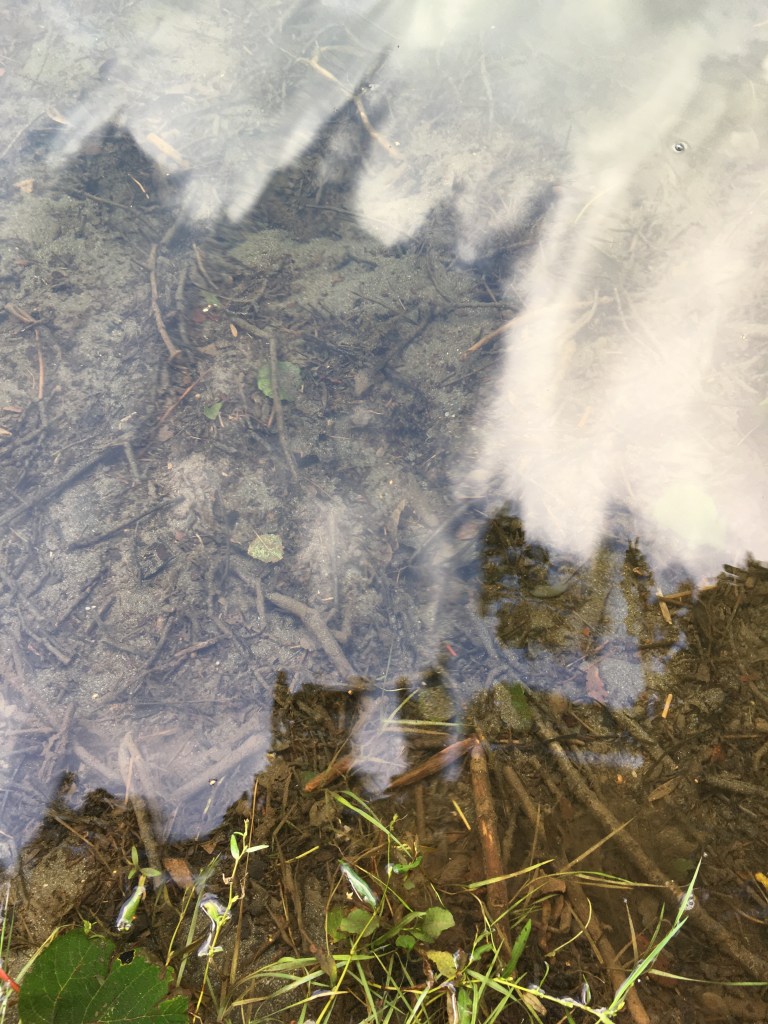
Perhaps each ebb and flow of a river, each council estate, every post code, holds a deity, the words of Martin Shaw provoke as we stop at a motorway service station on the way to Scotland. Such roadside sprawls have always unnerved me, the ever-changing visitors cultivating an eerie soullessness. At this paper-cup pitstop, the outside had been landscaped to try and sweep the collective unease under the carpet. An artificial pond held a mass of brown water, upon which floated a flurry of ducks. At the water’s edge grew an elder, holding on to its remaining cluster of dark berries, not yet ready to let go of summer’s shine. I wondered what stories this elder had to share, whether it had made sense of the great migrations that passed through each day, if it missed the peace and quiet of wind and rain, whether it saw our sadness. I knew within that it wasn’t just the thick planes of glass preventing me from getting answers, for to hear the ruish whispers I would need to set up camp beneath their weeping branches, share the moon and stars, spend nights dreaming together, turn off the clatter and clanks of my modern mind, then perhaps.
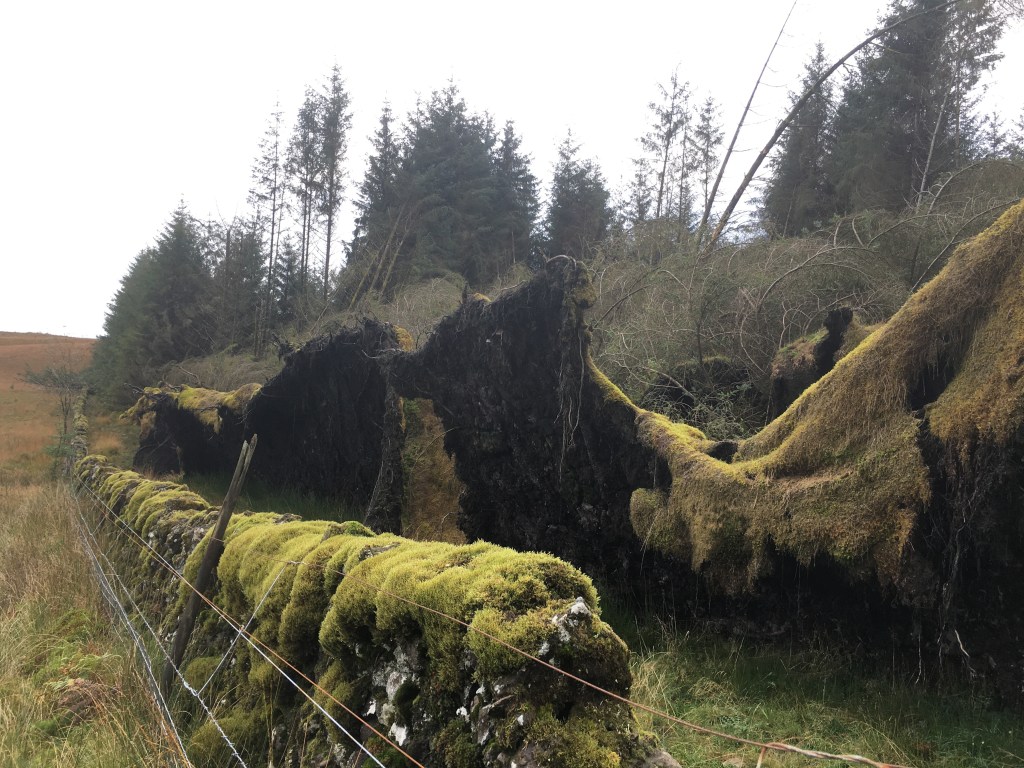
As with Coll in September, elder has become the focal point of my walks, allowing hazel to drop out of my mind’s foreground. It’s a shrub I’m less familiar with and from the beginning, I’m struck by the seeming void of vitality in the plants I find. Dead branches, uncomfortable looking postures and sparse leaves describe the elders at our destination in the Trussacs of Scotland. The bark looked soggy, partly covered in moss and when I go to touch the branches, they do indeed feel soaked. My initial observations are uninspired, unlike my impressions of hazel and grape vines which easily allure my mind, the elder leaves me blank. I ponder on a rock nearby, but feeling impatient, I do not stay for much time. It doesn’t take me long to question parallels to the state of my own elders, for it is a space I feel conflicted.
Stones throw from home, we sing on our thrones of trees that moan in tones.
Respect your elders. I distrust mine, feel superior even. Those that hold power and make decisions chose to load guns and poison rivers, so what exactly shall I respect? CEO’s and politicians that chose few over many, taking food from the five thousand to feed themselves. When the mirage fades and the cracks emerge, the blame must be placed on someone’s shoulders. The world around burns and floods and starves but the show goes on and still they buy tickets. What looks like passive participation fuels my anger, how do you not see? Still, I must stop and breathe, it is all too easy to put this weight on trees that I didn’t fall far from. The collapse of a Peruvian anchovy population offers a bizarre glimmer of hope and humour.
Back in the 1970’s, America’s industrial livestock farms were dependent on fishmeal made largely from anchovies that were caught off the coasts of Peru. At the time America was the largest soy producer in the world and Japan was one of their biggest buyers. After a relatively instantaneous collapse of the anchovy population in 1972, America restricted the amount of soy it exported in order to meet their domestic animal feed requirements. This left Japan with a huge shortage of soy, having become extremely dependent on American imports since the second world war and as a result of this dilemma, they needed to find a new supplier. Japan turned to Brazil, and with their financial backing, began a mass conversion of the savannahs and forests of the Cerrado, Brazils second largest habitat type after the Amazon rainforest, turning it into an agriculturally intensive landscape for soy production. The horrors of this agricultural swindling, replicated in all over parts of the industrialised world, continues to result in the widespread exploitation of indigenous people as well as the other living beings of the area.
No need to strain and grasp and tense
Whilst reading this story in Dan Saladino’s fantastic book Eating to Extinction, I found refuge in the thought of a present day anchovy. I imagined it with the same dilemmas I also face; huge guilt about the state of the world, feeling anger at those that allowed this to happen, a deep sense of responsibility. I ponder the anchovies feelings towards their elders, ‘How can they just keep swimming as if nothing is happening? Why don’t they do something? It is all their fault!’. It is much easier to offer unconditional kindness to a small fish. Can’t you see dear friend that this turmoil began long before you were born, alas, long before your parents were born, and theirs and theirs and theirs. Do not burden yourself with this weight, for you won’t be able to swim for long if you do, and there’s nothing you can offer if you sink to the bottom of the ocean. Use your grieving as guidance for what is right, but do not let it spoil the fun of swimming, you deserve to be!
‘What we have not chosen, we cannot consider either our merit or failure’
Milan Kundera, The unbearable lightness of being.

Before I leave Scotland, I dream of ruish, I am in a forest and there before me stands an elder of great stature, it grows full and tall and holds all its leaves. Back home in Stanton Drew, I continue to ramble. The turning leaves of the elder trees reveal themselves as yellow patchwork in the hedgerows. It is hard to imagine wisdom coming from these plants, cut back to their bones each year, growing tight and conformed to the farmers’ will. My feet take me to where I hold hope, I return to the maple grove, where several moons earlier I sat and watched as honey bees hummed away, coming and going in great numbers, building their home within the ash tree they occupied. It is here that I find an elder, seemingly un-scaved from human interference, rising out from a bed of bramble. I feel a sense of peace in this grove, a quiet place to go.
Layers and layers and layers, got to unpeel them all
Once again I find myself pondering this question of elders. This time I sit against the trunk of an oak, long meadow grass gently sways in the wind, golden seed heads say their farewells. The cemetery I think from has been my refuge countless times. The gravestones that topple and sink remind me of these ancestors’ greatest gift, their bodies laid down as offerings to those who now walk, laugh and rest amongst the trees and birds that scatter this green oasis. Scaffold scarecrows loom on the horizon, kept at bay by stones we carved with names. Samhain, what we know as halloween, marks the Celtic new year and is the time for us to see life in death and death in life, a meditation that I often celebrate here in the cemetery.
Although I do not yet seem to hear the trees whisper, they share their wisdom in other ways, by offering space and serenity, shelter and shade. Reassurance seems to arise here. Perhap this is indeed them speaking.
Rocks we climbed,
Songs of berries and wine you sung
Words drifted away with the wind,
But their warmth stayed.
Now I sing them,
with friends new and in rives old
On mountains that move like dragons and in moods that ache like thunderclouds.
 Bricolage Gardening
Leave a comment